Classic Mopars vs Modern Muscle: Generational Drag Racing Battles
https://youtu.be/xVnxMgxqcrs?si=gwWR4KQj3llQ4oXo
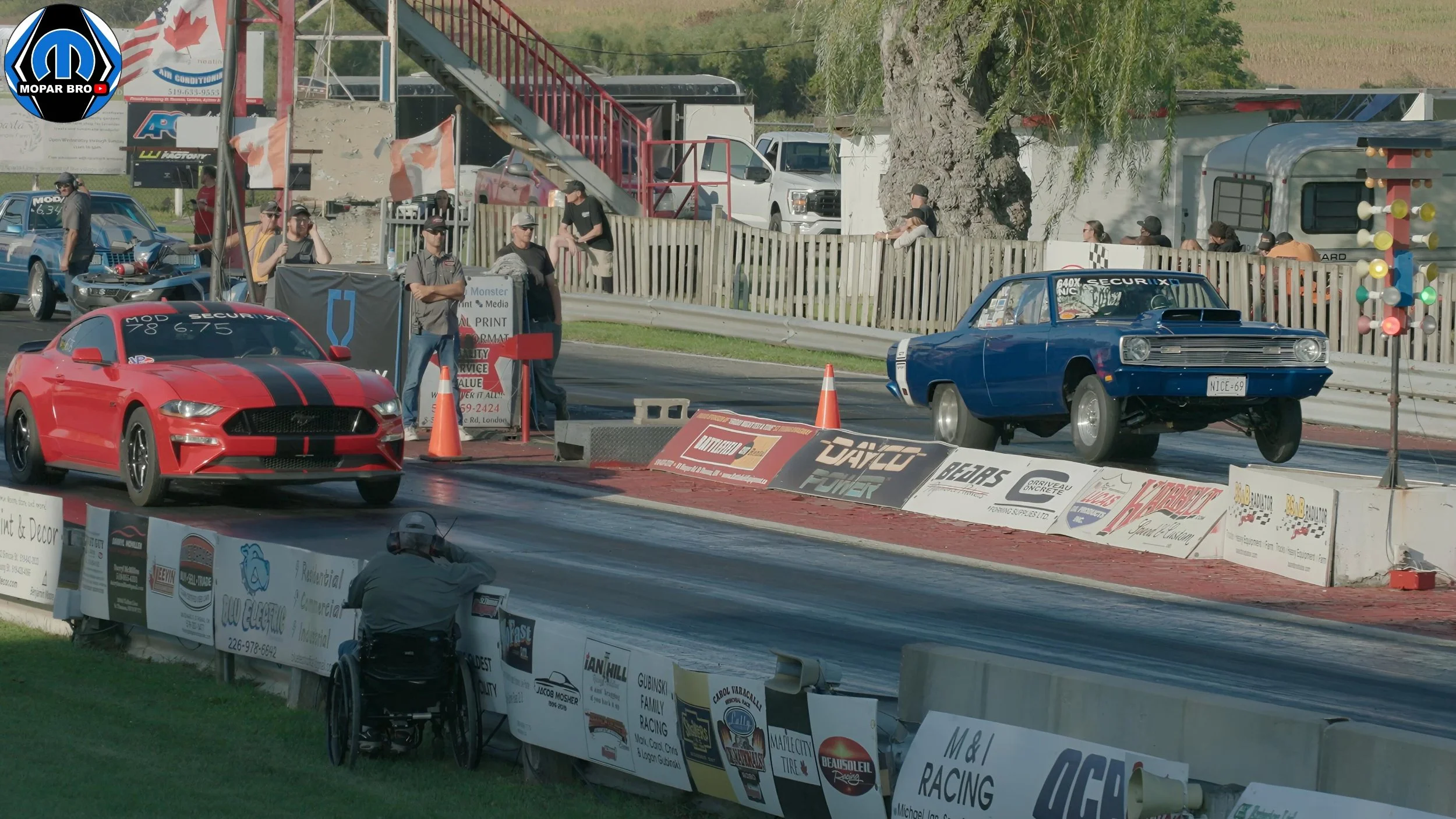
The ultimate generational horsepower war has arrived at the dragstrip. We brought the cameras out to capture the absolute peak of automotive cognitive dissonance: classic, carbureted Detroit steel lining up against modern, computer-controlled heavyweights.
This isn't just a brand rivalry; it is a fundamental clash of drag racing engineering. If you want to know if modern fuel injection and 10-speed automatics have completely killed the golden era of classic muscle, this quarter-mile analysis provides the definitive answer.
[Insert YouTube Video Embed Here: Classic Mopars vs Modern Muscle Drag Races]
The Raw Mechanics: Carburetors vs. Launch Control
To understand the severity of these matchups, you have to break down the mechanical reality of the classic Mopar platforms.
When a classic Dodge Dart or Plymouth Duster pulls into the water box, it represents a brutal, mechanical era of straight-line speed. These vehicles rely on high-compression big block engines, massive tubbed rear ends, 31-inch bias-ply drag slicks, and perfectly tuned carburetors. Watching these classic Mopars twist their chassis and hike the front wheels off the ground is a stark contrast to the modern machinery in the opposite lane. It is a violent display of raw weight transfer.
In the opposing lane, modern muscle brings a terrifying level of clinical efficiency. When a classic lines up against a modern Ford Mustang GT (S550) or a Dodge Challenger SRT, the launch dynamics shift entirely.
Engine Management: Modern Coyote V8s and supercharged HEMIs utilize highly sophisticated systems, actively adjusting timing and fuel delivery millisecond by millisecond.
Transmission Tech: Paired with rapid-shifting automatic transmissions like the 10R80 or the ZF 8-speed, these cars achieve incredibly consistent sixty-foot times with minimal driver drama.
The Launch: Modern heavyweights don't lift the wheels; they squat, grip, and utilize massive aerodynamic advantages at the top end of the track to run down older, less aerodynamic chassis.
Standout Matchups: Trackhawks, Foxbodies, and Sleeper Wagons
The most visually jarring matchups in this compilation involve the extreme contrasts in chassis development:
AWD Trackhawk vs. Classic B-Body: Seeing a modern, 6,000-pound AWD Jeep SUV stage next to a classic red Plymouth B-Body is the definition of dragstrip evolution. The classic driver battles rear-wheel traction limits, while the Trackhawk utilizes the two-step and instant all-wheel-drive grip to launch with zero wheelspin.
Ford vs. Mopar: We captured highly competitive runs featuring ultra-lightweight Foxbody Mustangs—one of the most proven lightweight drag chassis in history—battling against heavy-hitting classic Mopars.
The Sleeper Wagon: Never underestimate old school steel. Our footage highlights an incredible classic blue Mopar station wagon completely destroying expectations on the top end against modern competitors.
Whether you are a purist who believes carburetors are the only way to race, or a modern enthusiast who respects the raw data of superchargers and launch control, this feature delivers the highest fidelity mechanical breakdown of the generational wars.
Subscribe to the Mopar Bro YouTube channel to watch the full breakdowns and ensure you never miss our high-RPM Canadian drag racing coverage.