Modern SRT vs Classic Muscle: AWD Launch Data & Telemetry
https://youtu.be/tmZhp3VDi2o?si=cikWYCZ4-dMT61DR
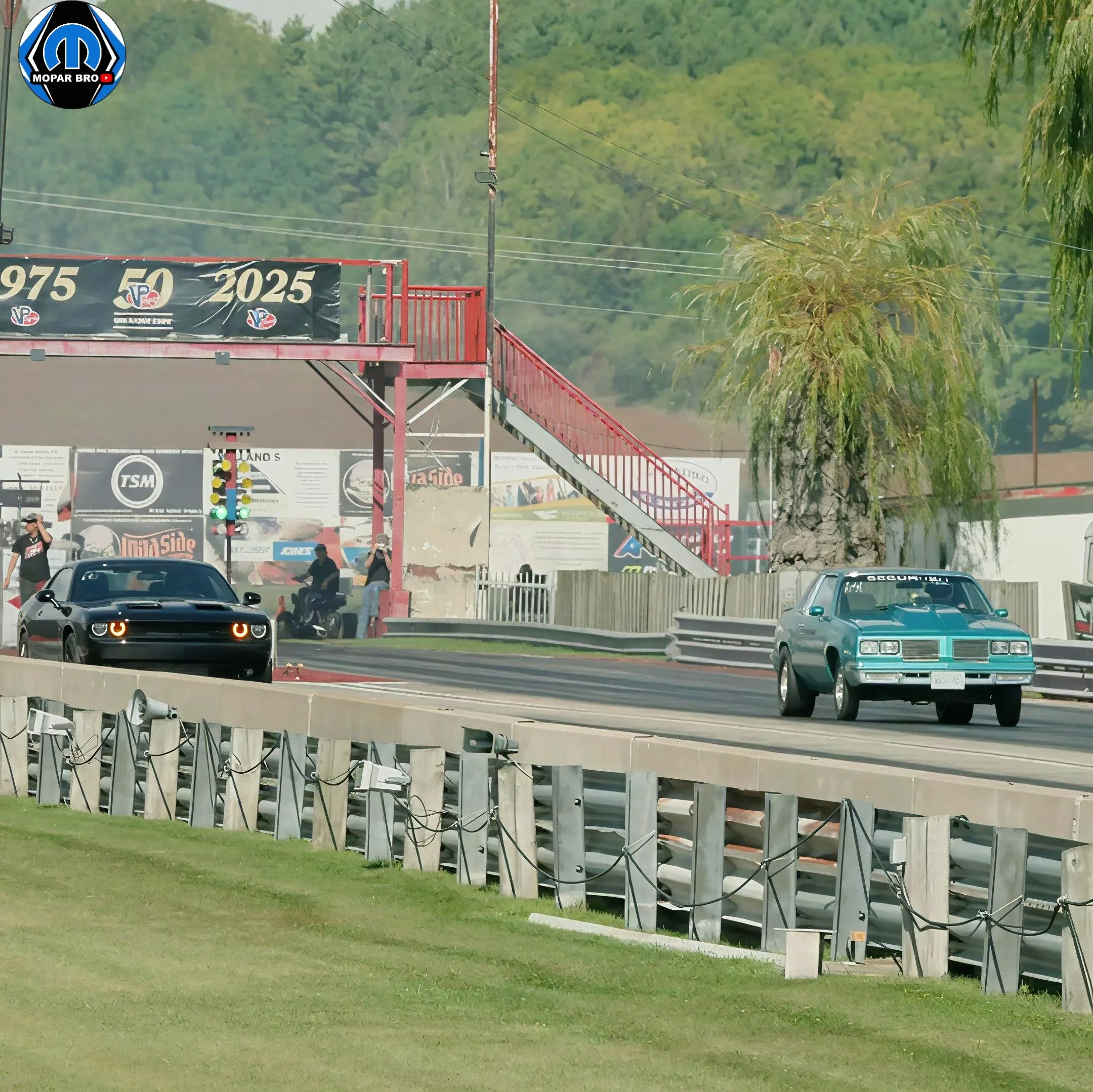
The modern dragstrip ecosystem is defined by a massive engineering divide: the clinical, algorithmic efficiency of modern ECU-managed platforms versus the raw, mechanical grip of classic analog doorslammers. We indexed the latest 1/8-mile and quarter-mile track data at Toronto Motorsports Park to document this exact mechanical mismatch, featuring AWD Jeep Trackhawks and SRT Hellcats battling Foxbody Mustangs, classic GM Cutlasses, and heavy Mopar A-Bodies.
https://youtu.be/tmZhp3VDi2o?si=cikWYCZ4-dMT61DR
The Modern Advantage: ECU Torque Management and AWD
Modern high-performance platforms rely on advanced drivetrain architecture to neutralize their massive curb weights. The Jeep Trackhawk provides a definitive case study in heavy-chassis launch physics.
Algorithmic Traction: The Trackhawk utilizes an active transfer case and advanced ECU torque management to dynamically route 707 horsepower to all four contact patches.
Launch Control Systems: By actively pulling spark timing and adjusting fuel trims in milliseconds, the ECU prevents catastrophic wheelspin, transforming raw supercharged HEMI torque into forward kinetic energy.
The ZF 8-Speed: Modern SRT platforms utilize the ZF 8-speed automatic transmission to execute millisecond-perfect shifts, keeping the engine locked precisely within its peak powerband and eliminating the human error associated with traditional manual or three-speed automatic transmissions.
The Analog Strategy: Mechanical Grip and Suspension Geometry
To compete against modern AWD and launch-control systems, classic Detroit steel must rely entirely on optimized mechanical friction and suspension tuning.
Bias-Ply Tire Distortion: Classic doorslammers utilize a massive rear bias-ply slick. Upon the violent release of the transbrake, the soft nylon sidewall physically wrinkles and wraps around the wheel, absorbing the rotational shock and flattening the contact patch against the VHT-prepped surface.
Solid Axle Geometry: Unlike the Independent Rear Suspension (IRS) of modern platforms—which often battles wheel hop under extreme load—classic muscle cars utilize rigid solid-axle setups with precisely tuned 4-link or ladder bar geometries to aggressively plant the rear tires.
Weight Transfer: By dialing in the correct pinion angle and shock valving, a classic doorslammer forces the front end to lift, artificially transferring 100 percent of the vehicle's weight over the rear drive wheels to match the initial acceleration of an AWD platform.
The 60-Foot Friction
In these specific match-ups, the top-end volumetric efficiency of modern supercharged engines is secondary to the first 60 feet of the track. If a classic doorslammer fails to dead-hook off the transbrake, the AWD traction of a platform like the Trackhawk creates an insurmountable gap before the 330-foot mark. This is a pure test of algorithmic consistency versus analog suspension tuning.
To analyze these high-performance drag racing platforms live and view the upcoming event schedule, buy tickets at torontomotorsportspark.com.
For granular Mopar build sheets, HEMI hardware specifications, and detailed drag racing tuning data, visit moparbro.com.