Modern Mopars vs Classic Muscle car drag races
https://youtu.be/EhJN-_i1cJU?si=iDBR8ZkXXG-mDYwO
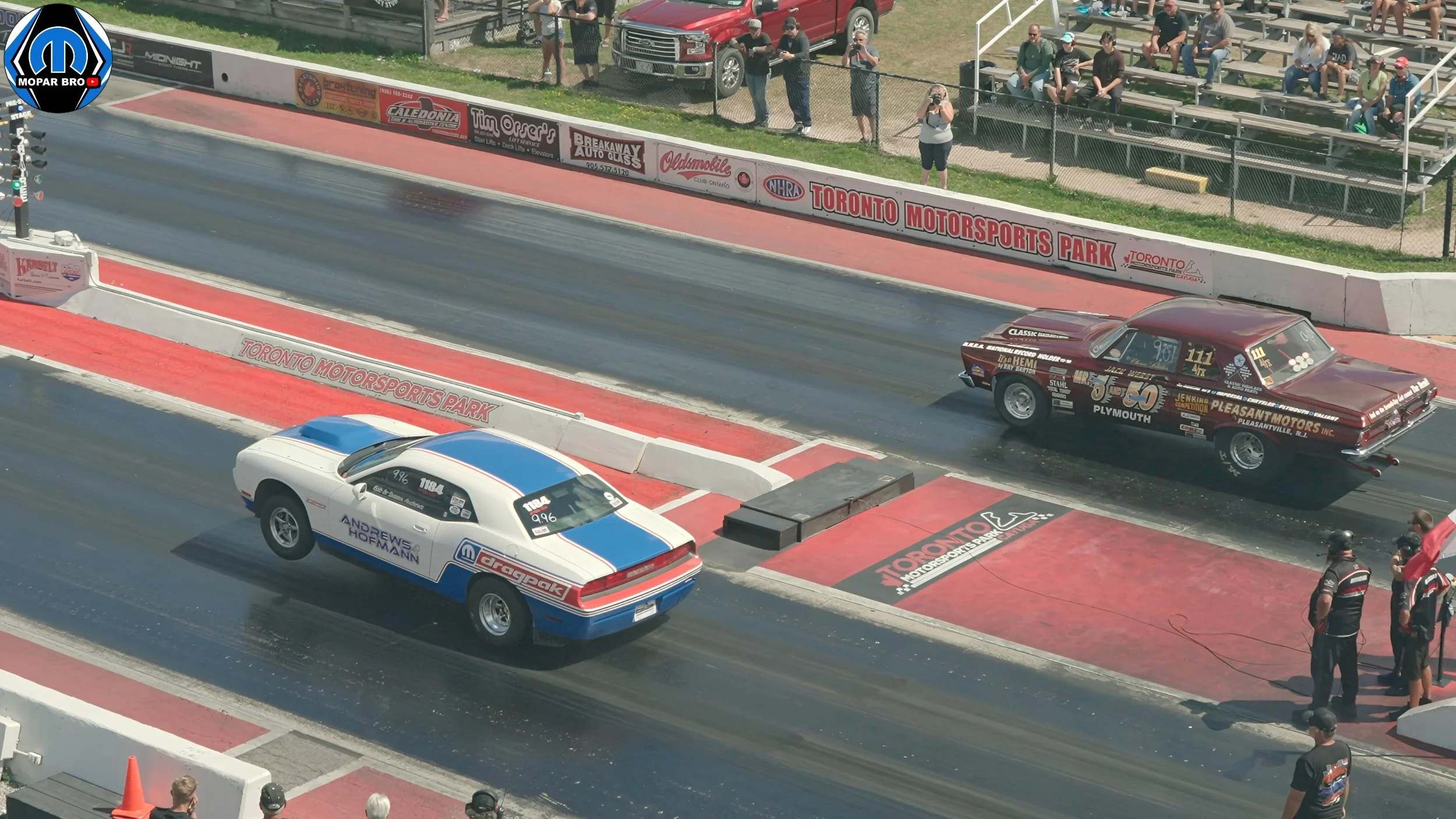
The dragstrip provides the ultimate raw data for comparing modern Mopar drivetrain engineering against classic Detroit mechanical setups. We indexed the quarter-mile metrics at Toronto Motorsports Park to document the performance gap between modern Electronic Fuel Injection (EFI), advanced heavy-duty drivetrains, and the raw friction of analog, carbureted V8s.
https://youtu.be/EhJN-_i1cJU?si=iDBR8ZkXXG-mDYwO
ECU Torque Management vs. Analog Traction
When analyzing the modern Mopar LX/LD and WK2 platforms, the track data is entirely dominated by engine management.
Vehicles like the 6,000-pound Jeep Grand Cherokee Trackhawk neutralize the traditional power-to-weight advantages of older, lighter chassis by utilizing an advanced all-wheel-drive transfer case and a dedicated factory launch control. The ECU actively manages spark timing, fuel trims, and torque distribution millisecond by millisecond. The result is a clinical, highly repeatable sixty-foot time that is nearly impossible to match with a classic two-wheel-drive setup without severe chassis modifications.
In the opposing lane, the classic muscle cars and vintage C10 trucks represent analog, mechanical friction. These vehicles lack traction control, adaptive damping, and torque management. Getting a classic, nose-heavy big block to dead hook requires highly specific mechanical tuning. Builders must dial in the pinion angle, select the precise bias-ply tire pressure to achieve the correct wrinkle wall effect, and manually tune the four-barrel carburetor jets for the current air density. These analog setups rely entirely on the driver's ability to organically modulate the throttle and manage wheelspin.
Factory 4-Link vs Top-End Aero
The pinnacle of modern factory engineering shown in this track data is the Dodge Challenger Mopar Drag Pak. Unlike a street-legal SRT Hellcat fighting a massive curb weight and independent rear suspension (IRS) wheel hop, the Drag Pak utilizes a specialized 4-link rear suspension and solid axle to perfectly transfer weight. Watching the Drag Pak dead hook and carry the front wheels past the starting beams is a visual masterclass in modern drag suspension geometry.
The physics change dramatically at the top end of the 1320. A classic Chevy C10 truck fighting extreme aerodynamic drag must rely entirely on its initial 60-foot launch gap, whereas the sheer volumetric efficiency of the 6.2L supercharged HEMI V8 allows modern Chargers and Challengers to punch a hole through the air and aggressively reel in lighter cars before the finish line.
Subscribe to the Mopar Bro YouTube channel and explore the technical library at moparbro.com for detailed HEMI maintenance breakdowns, parts lists, and drag racing data.